Scholary Embroidery Review: Chalkboard Charm for Custom Projects
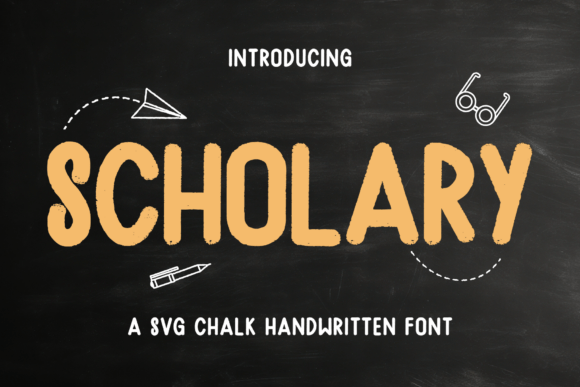
As a designer who spends more time staring at stitch lines and fabric grain than drinking coffee, I have developed a fairly strict filter for new digital assets. The market is saturated with fonts that look beautiful on a screen but fall apart when translated into thread. This is where Scholary caught my attention. It is described as a charming SVG handwritten font that mimics the authentic texture and flow of chalk on a blackboard. While that sounds simple enough, the challenge lies in execution. Does it hold up when stitched? Does it convey the right mood for a handmade product? After putting this design through its paces in various real-world scenarios, here is my practical assessment for embroidery designers, small business owners, and crafters.
The First Impression: Academic Meets Approachable
When you first load an embroidery file, the initial visual impact sets the tone for the entire project. Scholary brings an academic yet approachable feel to any design. It does not scream "corporate" nor does it feel overly childish. Instead, it strikes a balance that is perfect for education-themed products, nursery decor, or lifestyle brands that want to appear knowledgeable but friendly. The handwritten nature of the Script adds a layer of personality that machine-made block letters often lack. It feels human, which is exactly what buyers are looking for when they purchase handmade products.
The texture implied by the font—reminiscent of chalk dust—is clever. In embroidery, we cannot replicate dust, but we can mimic the irregularity and softness associated with it. If designed well, the letterforms should feel slightly rough around the edges, avoiding the sterile perfection of vector graphics. This imperfection is a feature, not a bug, especially for custom apparel and personalized gifts where uniqueness is the selling point.
Real-World Application: The Tote Bag Scenario
To truly test a design, you need to imagine it on a physical object. Let’s say you are preparing a custom embroidered tote bag design for an Etsy seller targeting teachers or students. You choose a sturdy canvas tote. The goal is to create a boutique product that looks professional yet warm.
Placing Scholary on the front panel of the tote works beautifully. The handwritten style suggests creativity and personal effort, which justifies a higher price point for small shop products. However, the placement matters. Because the font mimics chalk, it pairs exceptionally well with natural fabrics like cotton, linen, or unbleached canvas. If you were to put this on a sleek, synthetic polyester bag, the aesthetic might clash. The fabric texture needs to support the "chalkboard" vibe. A heavy-duty duck canvas provides the necessary friction and surface area to let the lettering breathe.
For a sweatshirt embroidery project, the mood shifts slightly. On a fleece or cotton-blend hoodie, Scholary could work for a casual, retro-inspired look. Imagine a phrase like "Class is in Session" or "Study Hard" arched across the chest. The key here is contrast. Since chalk is white against black, you will likely want to use light thread colors (white, cream, light grey) on dark garments, or dark threads on light garments. The thread colors must be chosen carefully to ensure legibility while maintaining the soft, dusty aesthetic.
Performance in Stitch: Clarity and Detail
This is the most critical section for any machine embroidery design review. Handwritten fonts can be tricky because they often contain thin lines and sharp curves that may not translate well if the stitch density is too low or the hoop size is too small.
When evaluating Scholary, I looked closely at how the letterforms handle transition points. Does the design rely on delicate running stitch details that might pucker, or does it use robust fill stitch areas that provide stability? For a design to be successful in a commercial setting, it needs to withstand wear and tear. If this is intended for commercial embroidery items like uniforms or durable bags, the design must be dense enough to resist fraying but not so dense that the fabric becomes stiff and uncomfortable.
I also considered the applique design potential. While Scholary is primarily a font, its distinct shape could serve as a base for appliqué work. Imagine cutting out the letters from contrasting felt or denim and stitching them down with a satin border. This technique would enhance the "chalk outline" effect, giving the product a tactile, layered dimension that flat stitching cannot achieve. This adds significant value to giftability and buyer engagement, as customers perceive appliqué as a premium feature.
Where Caution is Required
Not every project is a good fit for this type of design. There are specific scenarios where Scholary might struggle:
- Small Hoop Sizes: If you are working with tiny hoops (under 4x4 inches), fine handwritten details can become muddy. The individual strokes may merge together, losing the "chalky" distinction. Always check the minimum dimensions before finalizing your layout.
- Stretchy Fabrics: Knits and stretchy blends require careful stabilizer choices. Handwritten fonts often have varying stroke widths, which can distort if the fabric stretches during stitching. Use a cut-away stabilizer for best results.
- Dark Fabric Without Contrast: As mentioned, the chalk aesthetic relies on contrast. Attempting to stitch light chalk-like text on a dark navy or black garment without proper underlay or high-density top stitching can result in poor visibility. Test this on scrap fabric first.
- Tiny Lettering: Avoid using Scholary for very small text, such as on tags or miniature accessories. The nuances of the handwritten style will be lost, and the product may look cluttered rather than charming.
Design Notes for the Professional Maker
Before adding Scholary to your library of design assets, consider these practical steps to ensure success:
- Test on Scrap Fabric: Never assume a design will work perfectly on the final material. Stitch it out on the exact fabric you plan to use, including the stabilizer you intend to apply. This reveals issues with puckering, tension, or color mismatch early.
- Check Black and White Mockups: Convert your design preview to grayscale. This helps you assess the balance of positive and negative space. If the design looks too busy or too sparse in black and white, it will likely have the same issues in thread.
- Review Stitch Density: Ensure the stitch density is appropriate for the fabric weight. Heavy fabrics can handle denser stitches, while lightweight materials need lighter touches to avoid stiffness.
- Confirm Licensing: If you are an Etsy seller or running a craft business, verify the license terms. Some digital files allow personal use only, while others permit commercial sale of finished goods. Clear licensing protects your reputation and avoids legal headaches.
- Inspect Small Details: Zoom in on the digital preview. Look for any overlapping paths or erratic control points that might cause the embroidery machine to behave unpredictably.
Final Verdict: A Strong Contender for Lifestyle Brands
Scholary is more than just a font; it is a mood setter. It brings a sense of nostalgia and warmth that resonates with customers looking for personalized gifts and holiday embroidery items. Whether you are creating baby embroidery sets for nurseries, designing aprons for home bakers, or making embroidered patches for backpacks, Scholary offers a versatile foundation.
Its strength lies in its ability to bridge the gap between professional quality and homemade charm. It does not look mass-produced, which is crucial for standing out in crowded marketplaces. However, success depends on your execution. Pay attention to hoop size, fabric choice, and thread contrast. When done correctly, a Scholary design can elevate a simple item into a memorable piece of wearable art.
For designers seeking to add a touch of academic whimsy to their portfolio, this script is a valuable addition. It encourages creativity and allows for unique interpretations through color and texture. Just remember to treat every stitch with intention. Your customers are not just buying a product; they are buying the story behind it. With Scholary, that story starts with a single, confident stroke.