Online Education Embroidery Design Review
As a designer who spends more time than I care to admit staring at stitch charts and fabric swatches, I approach every new machine embroidery design with a mix of excitement and skepticism. The market is flooded with digital assets, but few translate seamlessly into the tangible world of thread and cloth. Today, I am evaluating the Online Education vector illustration, categorized under Illustrations and Graphics, to see if it holds up as a viable option for real-world projects, client work, and small business merchandise.
The concept itself is timely. With remote learning and digital skill-building becoming permanent fixtures in our lives, an embroidery project that captures this theme has genuine commercial potential. But does the visual language of the original artwork support the technical demands of embroidery? Let’s dive into the practical details.
First Impressions: Mood and Visual Personality
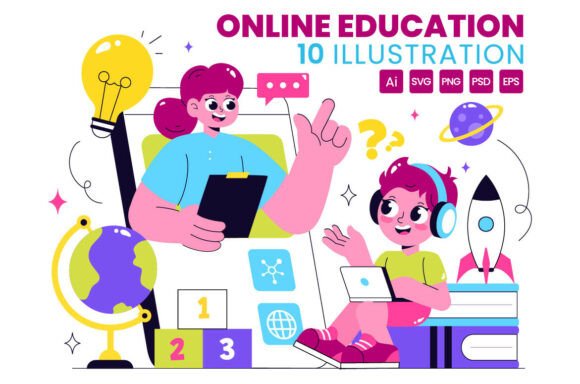
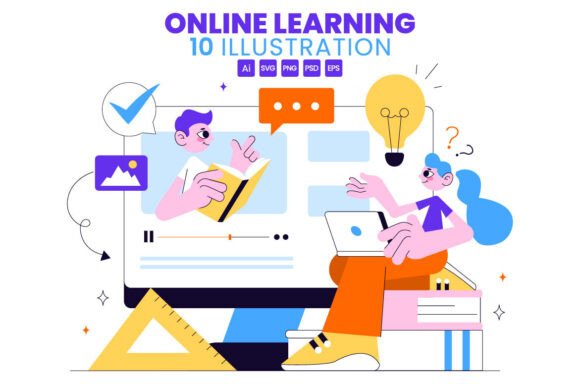
When you first look at the Online Education concept, the immediate takeaway is clarity. It utilizes a flat, cartoon-style aesthetic featuring a laptop, smartphone, and classic learning tools like pencils and books, anchored by a central play button. For an embroidery file, this simplicity is a blessing. Intricate gradients or photorealistic shadows often turn into muddy blobs when stitched, but this graphic relies on bold shapes and clear negative space.
The mood is approachable, modern, and slightly playful without being childish. This makes it incredibly versatile. It doesn’t scream "corporate training manual," nor does it feel like a toddler’s nursery decor. Instead, it strikes a balance that appeals to students, lifelong learners, and professionals alike. As a design asset, its personality suggests it belongs in spaces where comfort meets productivity—think cozy coffee shops, home offices, or creative studios.
Real-World Application: Where This Design Shines
I have been testing how this Graphics category item performs across various product types, and the results are promising for specific use cases. Here is where I see the highest potential for success:
- Tote Bags and Canvas Totes: This is perhaps the strongest application. A large-format print on a sturdy canvas tote allows the clean lines of the laptop and phone icons to shine. It serves as a great conversation starter for teachers, tutors, or online course creators.
- Sweatshirt Embroidery: For the ultimate in comfort and style, placing this design on a high-quality crewneck sweatshirt creates a perfect blend of casual wear and professional identity. The flat style contrasts beautifully with the texture of French terry fabric.
- Custom Apparel for Students: Whether it is a graduation gift or back-to-school gear, the inclusion of pencils and books alongside tech elements resonates deeply with the target audience. It feels personalized yet universally relevant.
- Kitchen Towels and Aprons: Don’t overlook the domestic angle. For the homeschooling parent or the DIY enthusiast who learns via video tutorials, a kitchen towel featuring this motif adds a touch of humor and relatability to daily chores.
- Etsy Seller Merchandise: If you run a craft business focused on digital products or educational resources, this design can serve as branded merchandise. It reinforces your niche while offering customers a physical connection to your brand.
The versatility extends to smaller items as well. An embroidered patch version could be attached to denim jackets or backpacks, while a subtle placement on a cap could appeal to younger demographics.
Technical Considerations and Stitch Execution
While the visual appeal is strong, the transition from vector to stitch requires careful planning. The design features distinct elements—the screen of the laptop, the body of the phone, and the individual pencils. Each of these areas will likely require different stitch types to achieve the best result.
The solid blocks of color on the devices are ideal for fill stitch techniques, providing a smooth, durable surface. However, the finer details, such as the keys on the keyboard or the pages of the book, may need running stitch or dense satin work to remain legible. If the stitch density is too low, these tiny elements might disappear into the fabric weave. Conversely, if the area is too dense, the fabric may pucker, especially on lighter materials.
Thread color contrast is critical here. Because the design includes multiple objects, ensuring that the background color of the laptop screen stands out from the frame is essential. I recommend testing your thread colors against your chosen fabric before committing to a full production run. A light gray thread on a white shirt might vanish, whereas a navy blue would pop.
Where to Use Caution
No single design fits every scenario perfectly. There are specific situations where the Online Education concept might struggle:
- Small Hoop Sizes: If you attempt to digitize this entire composition into a very small hoop (under 3x3 inches), the details will become illegible. The smartphone and pencil icons may merge into indistinguishable shapes. Stick to medium to large hooping for maximum impact.
- Textured or Stretchy Fabrics: Knits, ribbed cuffs, or heavily textured weaves can distort the precise geometry of the flat illustration. The straight lines of the laptop might wobble if not properly stabilized. Always use a cut-away stabilizer for stretchy fabrics to maintain structural integrity.
- Dense Stitch Areas: Avoid placing this design over existing seams, pockets, or zippers. The added bulk from the fill stitches can create uncomfortable lumps or cause the needle to break.
- Frequent Washing: While embroidery is generally durable, intricate multi-color designs can show wear faster than simple monochrome logos. Advise customers to wash finished products inside-out on gentle cycles to preserve the vibrancy of the threads.
Designer Notes for Best Results
Before adding this to your catalog or starting your next personal project, keep these practical tips in mind:
- Test on Scrap Fabric: Never assume a design will work just because it looks good on screen. Stitch it out on the actual fabric type you intend to use. Check for puckering, thread breaks, and color accuracy.
- Review in Black and White: Convert the design to grayscale to check contrast levels. If the elements don’t stand out in black and white, they won’t stand out in color either.
- Confirm Licensing: This is crucial for Etsy sellers and small shop owners. Ensure you have the appropriate commercial license to sell finished goods made from this digital embroidery file. Some graphics are for personal use only, which limits your revenue potential.
- Inspect Small Details: Zoom in on the digital preview. Are the edges of the pencils sharp? Is the play button distinct? If the source vector lacks resolution, your digitization efforts may be wasted.
Final Verdict
The Online Education illustration is a solid, well-conceived piece of art that translates reasonably well to embroidery, provided the digitization is handled with care. It offers a modern, relatable aesthetic that fits naturally into the handmade product market. Whether you are creating a personalized gift for a teacher, stocking your boutique with trendy custom apparel, or designing branding for a local workshop, this design delivers value.
It avoids the pitfalls of overly complex detailing while maintaining enough interest to engage the viewer. For designers looking to expand their offerings into the education and technology niches, this is a smart addition to your library. Just remember to respect the limitations of the medium, choose your fabrics wisely, and always prioritize quality control in your finishing process.