Basketball Svg Embroidery Review
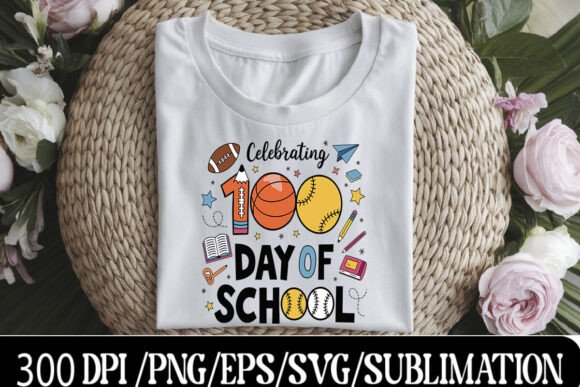
As a designer who spends half the day staring at stitch paths and the other half worrying about thread tension, I don’t just look for "pretty" graphics. I look for viability. When evaluating a machine embroidery design, my first question is always: will this hold up in the real world? Specifically, when we talk about a Basketball Svg intended for educational milestones like the 100 Days of School, we are looking at a specific intersection of playful theme and structural integrity.
I recently put this design through its paces to see how it translates from a vector file on a screen to a tangible handmade product. The premise is simple: celebrate a milestone with bold, sport-themed graphics. But the execution is where most designs fail. Here is my practical breakdown of how this embroidery file performs in actual production environments, from Etsy listings to custom client gifts.
First Impressions and Visual Personality
The immediate appeal of this Basketball Svg lies in its action-oriented layout. Unlike static logos that sit flat, these designs showcase unique movements. For an embroidery project, this dynamic feel is crucial because it gives the eye something to follow. The shape is distinct, which helps with digitizing clarity. When you look at the initial preview, the mood is energetic but clean. It doesn’t scream for attention; it invites it.
For small business owners and Etsy sellers, this visual personality is gold. It fits perfectly into the "back-to-school" or "mid-year celebration" niche without feeling generic. The fact that it comes in various sport themes means you can create a cohesive collection. However, as a reviewer, I need to know if the detail level survives the needle. Does the basketball texture get lost in the stitching? Does the outline remain crisp? In this case, the bold lines suggest a high tolerance for standard satin stitches, which is a good sign for consistency across different fabric types.
Real-World Application: The Tote Bag Test
To truly judge an embroidery project, you have to imagine the finished product. Let’s say I am preparing a custom embroidered tote bag for a teacher appreciation gift. This is a classic small shop product that requires durability and clear branding. If I place the Basketball Svg here, does it work?
A tote bag offers a large, flat canvas, which is ideal for testing the full scope of the design. The bold nature of the graphic ensures that even if the customer washes the bag frequently, the image remains recognizable. However, I would be cautious about placing intricate details near the handles or seams. The design shines best in the center panel where the hoop size allows for maximum stability. For a custom apparel item like a sweatshirt, the same logic applies. The chest pocket area is often too small for complex action poses, so scaling becomes critical. You want the basketball to be the focal point, not a tiny speck of thread.
Another strong contender for this design is baby embroidery. Think onesies or burp cloths. The playful theme resonates with parents looking for personalized gifts. But here is the catch: babies move, and their clothes get washed constantly. The design needs to be robust. If the digitizer used too many fill stitch areas without adequate density, the fabric might pucker after the first wash. My advice? Always test the stitch density on scrap fabric before committing to your final material.
Where Caution Is Required
No design is perfect for every surface. There are specific scenarios where using this Basketball Svg requires careful consideration. First, avoid small hoop sizes unless the design is heavily simplified. Trying to cram a detailed action pose into a 4x4 inch hoop can result in a muddy mess where individual threads blend together. If you are making an embroidered patch or a cap logo, ensure the core elements are legible at that scale.
Textured fabrics are another challenge. While linen and denim add character to a handmade product, they can obscure fine details. On a rough weave, thin lines might disappear. I recommend sticking to smooth cotton blends or polyester-cotton mixes for the cleanest finish. Additionally, stretchy fabrics like jersey knits require proper stabilizers to prevent distortion. If you skip the stabilizer, your beautiful graphics will warp, ruining the professional look of your finished product.
Dense stitch areas should also be monitored. If the design relies heavily on dense shading to create the basketball’s texture, ensure your machine can handle the load without breaking thread. Overly dense areas can make the fabric stiff, which is undesirable for items like pillow covers or tea towels. For kitchen towels, lighter running stitch accents might be more appropriate than heavy fills to maintain softness.
Impact on Brand and Customer Trust
In the world of digital product sellers and creative entrepreneurs, presentation is everything. A well-executed embroidery design signals professionalism. When a customer sees a crisp, well-defined Basketball Svg on a mockup, they assume the physical product will match. Conversely, a blurry or distorted stitch pattern raises red flags about quality control.
This design supports brand consistency. Because it is part of a series (football, soccer, baseball), you can build a recognizable aesthetic across your shop. Using consistent thread colors and placement techniques helps buyers identify your style. For commercial embroidery clients, this reliability is key. They aren’t just buying a design; they are buying a guarantee that their merchandise will look good off the rack.
Furthermore, the design’s versatility enhances its value. It works for holiday embroidery, wedding gifts (for sports-loving couples), and everyday wear. This flexibility allows you to market the same asset year-round, maximizing your return on investment for the digital embroidery file.
Practical Designer Notes for Success
- Test on Scrap Fabric: Never trust a screen preview alone. Stitch the Basketball Svg on the exact fabric you plan to use. Check for puckering, color bleeding, and detail loss.
- Check Thread Contrast: Ensure the thread colors pop against the background. Dark threads on dark fabric often lose definition, while bright threads on light fabric can sometimes look harsh. Find the balance.
- Review Stitch Density: Look closely at the digitizing. Are there areas where the needle goes back and forth too much? Excessive density can damage delicate fabrics.
- Confirm Hoop Size: Make sure the design dimensions fit comfortably within your standard hoops, leaving room for trimming and finishing.
- Inspect Small Details: Zoom in on the vector. Are there tiny corners or thin lines that might break during stitching? Simplify if necessary.
- Use Proper Stabilizer: Match the stabilizer to the fabric weight. Tear-away for wovens, cut-away for knits. This prevents shifting and distortion.
- Verify Licensing: Before selling any craft business items, double-check the license terms. Some design assets are for personal use only. Commercial rights are essential for Etsy sellers and boutique branding.
Ultimately, the Basketball Svg is a solid choice for designers looking to add a touch of sports enthusiasm to their collections. It balances playfulness with structural clarity, making it suitable for a wide range of apparel decorators and makers. By paying attention to fabric choice, stabilization, and thread selection, you can transform this simple graphic into a premium handmade product that customers will love. Just remember: great embroidery is 10% design and 90% execution. Take the time to test, refine, and perfect your process, and your finished projects will speak for themselves.